
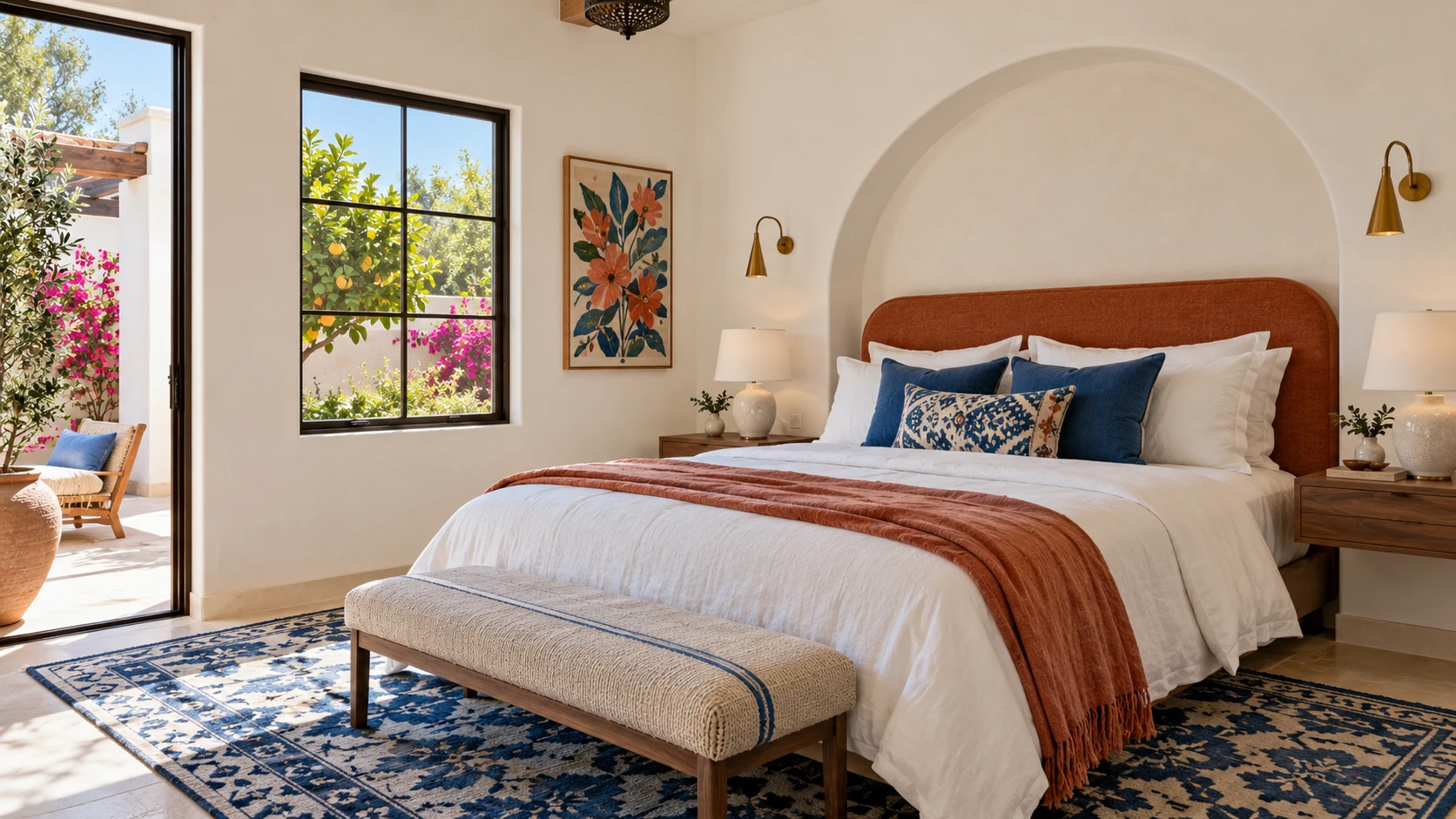
Include the future occupant.
Discuss cooking, laundry, visitors, hobbies, sleep, storage, and the route to the main house with the person who will live there. Their priorities should guide the plan, even when another family member is organizing the project.
Give privacy a place in the design.
Consider the orientation of bedroom windows, the location of the entrance, outdoor seating, and the distance between the two homes. Independence involves the ability to receive a visitor or enjoy a quiet morning as well as having a separate bedroom.
Discuss changing mobility needs early.
Step-free access where feasible, circulation, bathroom clearances, lighting, and reachable storage belong in the initial design discussion. The site and final plans determine how those priorities can be accommodated; an attractive rendering does not establish accessibility.
Keep housing and care decisions separate.
A private family home is different from a licensed care facility. Establish the intended use and building scope, while considering any care or support arrangements separately. Construction pricing does not predict future care costs or replace personal advice.